Ah, the summer at last…taken on Wednesday on Clissold Park, Stoke Newington.

Ah, the summer at last…taken on Wednesday on Clissold Park, Stoke Newington.
Completely forgot about artrage. It’s a painting package allowing you to make paintings digitally. Been a long time since I painted for real so found this program great to use and lots of fun. My recent effort below (I framed it separately).

Forgot this one

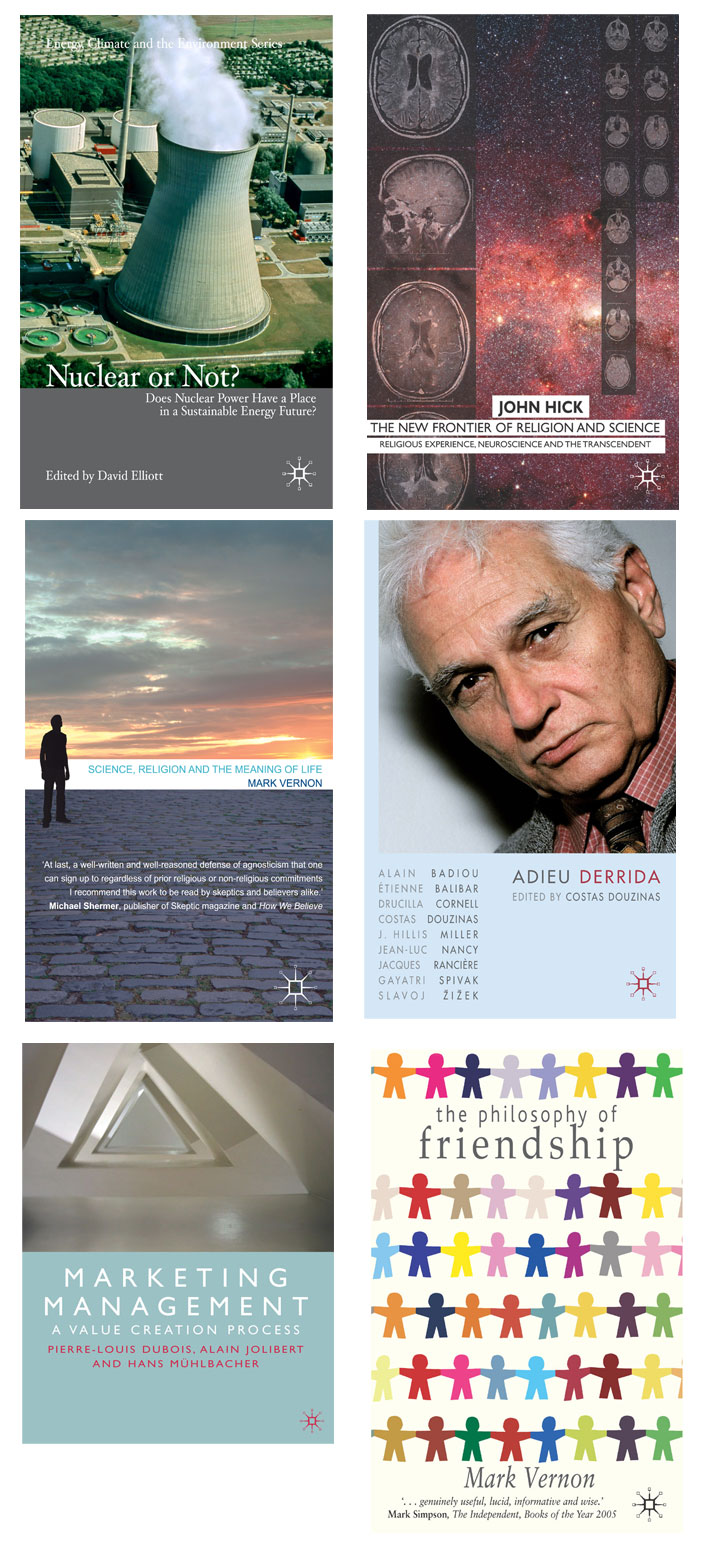
…..also the details of all the books:
The Prehistory of Cognitive Science
Andrew Brook
Nuclear Or Not?
David Elliott
New Frontier of Religion and Science
John Hick
Science, Religion, and the Meaning of Life
Mark Vernon
Adieu Derrida
Costas Douzinas
Marketing Management
Pierre-Louis Dubois, Alain Jolibert and Hans Mühlbacher
Philosophy of Friendship
Mark Vernon
Every so often I am asked by the company I work for to design some of book covers. I really enjoy this as it’s print and not web, so a little different. I sometimes feel that web design has gotten a little samey. I think there are some excellent, excellent designs out there, but most seem to be very grid-like, centred, header, main content, left/right nav, footer (yes somewhat like this site – I am just as guilty). Anyway here are some jackets I have designed:

#e2eddd, #bd7f72, #cad0ac, #d8634f, #fae49b, #ae846c, #f2c3a9, #868c7e, #fce750, #cdbcb2, #f8dbbb, #858667, #adb59d, #d8cec2, #fcd0c5, #dfe0c1, #f0f6ec
Yey, finally got round to trying the photoshop effect for producing ‘fake toy model photography‘ via use of lens blur, curves and pictures taken from a high vantage point. The main problem I found was getting photos from said vantage point, an issue that was solved when I went up the 203m Fernsehturm (TV tower) in Berlin yesterday.


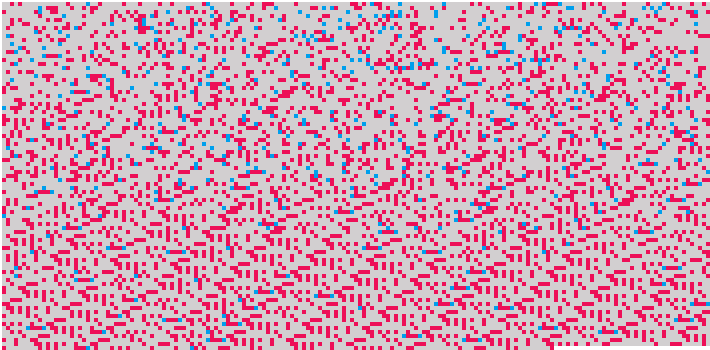
I love the idea of computer generated art, problem is that computers lack that subjectivity that determines what we judge to be ‘good’ or ‘bad’ art. That’s why using computers for what they are good at, processing millions of functions a second, alongside a person’s innate ability to ‘choose’ between two or more objects is a very interesting idea. Take del.icio.us popular, Amazon’s web services, Digg , YouTube etc etc. What rises to the top is generally considered ‘good’ the millions of less ‘good’ items remain languishing in the chaos. I have experimented with Genetic Algorithms to produce images for a while now, problem is that as each image is technically unique, you tend to end up with chaos.
William Poundstone, author of The Recursive Universe, contrived an analogy to illustrate why searching huge Borgian libraries of knowledge is as difficult as searching the huge Borgian library of nature itself. Imagine, Poundstone said, that there is a library with all possible videos. Like all Borgian spaces, most of the items in this library are full of noise and random grayness. A typical tape would be two hours of snow. The main problem with searching for a viewable video is that no title, call name, or symbol of any sort could represent a random tape in any less space or time than the tape itself. Most of the items in a Borgian library are incompressible into anything shorter than the work itself. (This irreducibility is the current definition of randomness.) To search the tapes, they must be watched, and therefore the information, time, and energy needed to sort through all the tapes would exceed the information, time, and energy needed to create the tape you wanted, no matter what the tape was.
Source: Kevin Kelly
I just wish I was better at programming so I could attempt to sift through the chaos.

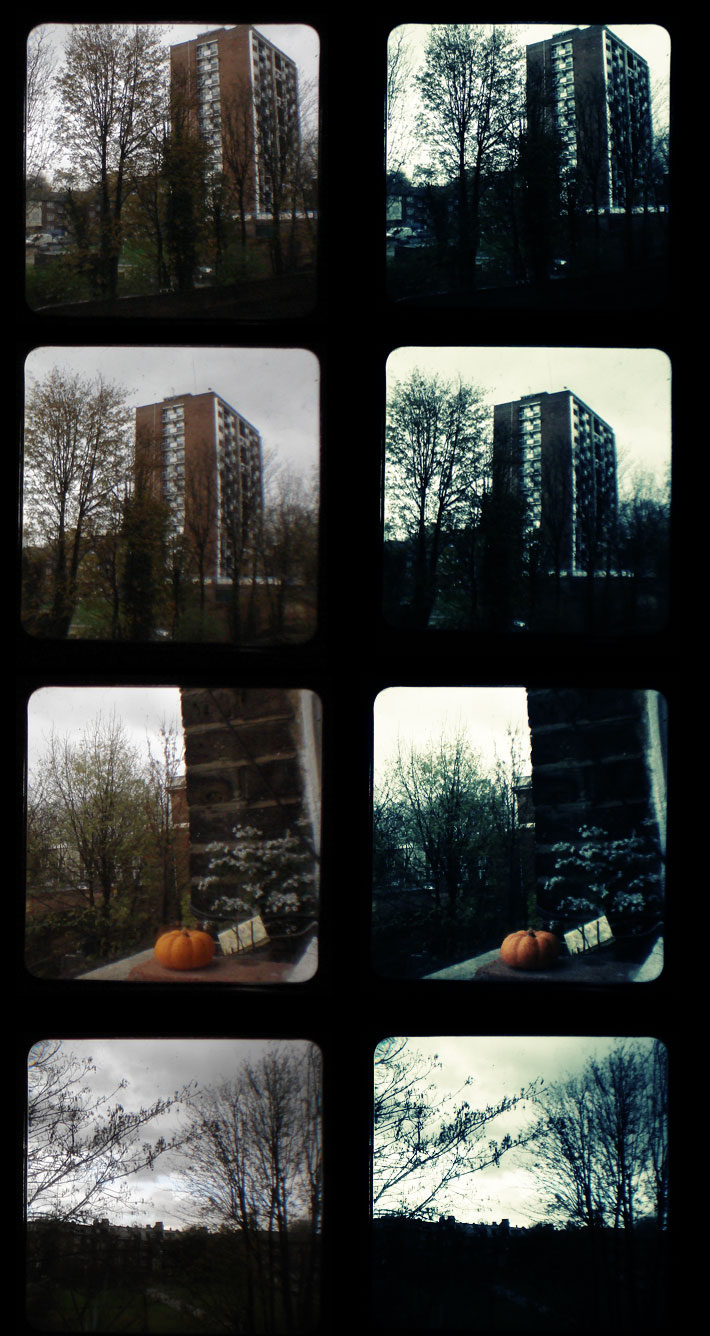
Finally managed to utilise my Kodak Duoflex II for the purpose of taking TTV photos. Here are some before and after (applying a photoshop filter to mimic the Platinotype photo development process) snaps. Think I prefer the before versions.